
"From the state's perspective, subsidies are an investment in the future. Timely investments in forest management improve the forest industry's future wood supply and thus its operating conditions. These long-term effects are a key basis for public support," says the forest economist. Matti Valonen.
Based on the results, the subsidies increase forest management activities, improve the quality of the wood produced in the long term, and strengthen the future raw material base of the forest industry. At the same time, they guide the consideration of climate and biodiversity objectives in commercial forests. This way, the benefits are directed to the whole society and not just to the forest owners.
The state pays approximately 32 million euros in timber production subsidies to forest owners annually. Of this, more than 20 million euros is returned to the state in the form of capital income taxes from forest owners, earned income and corporate taxes arising from the work increased by the subsidy, and capital tax revenues from the long-term capital gains tax.
The subsidies will increase employment in the forestry sector by an estimated 150 person-years and, in the longer term, by 394 person-years in timber harvesting and transportation and the forest industry due to the greater accumulation of raw wood.
Support for health fertilization produces climate benefits
The study examined subsidies for the management of saplings and young forests, health fertilization, support for forest roads and peatland management. According to the study, the subsidy system has an activating effect on forest owners and increases the performance of forest management work. However, the effectiveness of the subsidies depends, among other things, on their targeting and predictability.
When examining the effects of different subsidies, for example, support for health fertilization produces climate benefits because it maintains and strengthens the growth capacity of forests in areas where nutrient deficiency limits the development of the forest. The restoration of growth capacity increases the carbon sequestration of the forest and can strengthen the long-term carbon sink of forests. In particular, the effects of ash fertilization can be long-lasting. In peatlands, ash fertilization can increase the growth of the forest for several decades.
The support system plays a significant role in the management of private forests
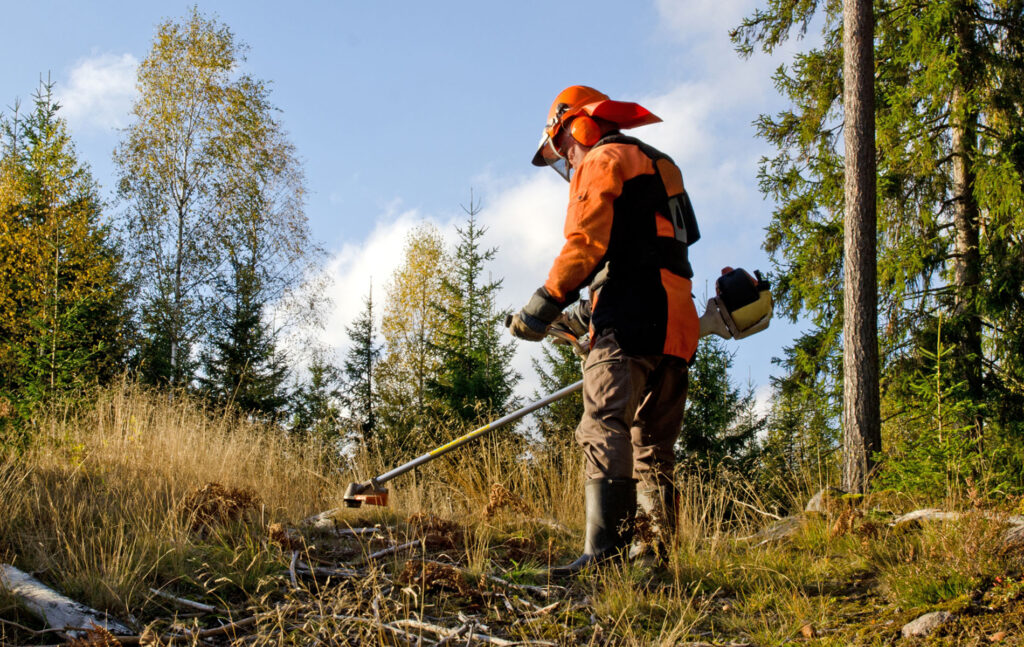
The key silvicultural impact of sapling management is to direct the growth of the stand towards a higher quality and more economically valuable stand. According to previous research, timely sapling management increases the amount of logs in particular and improves the long-term economic return of the forest.
The support increases and brings forward the management of saplings and young forests and guides their implementation in accordance with the support conditions. It is a significant steering tool in promoting the management of saplings and young forests.
"However, there are still significant management arrears in Finnish forests, which can weaken the conditions for wood production in the long term. The support system alone is not enough to eliminate these arrears; it is also needed in conjunction with advice and functional forest services," says a senior forest economist. Jani Charger.
The research was funded by the Central Union of Agricultural and Forestry Producers (MTK), the Central Union of Swedish Agricultural Producers (SLC), the Finnish Machinery Entrepreneurs Association and the Finnish Sawmill Industry Association.